Couples Bucket List: 40 Ideas You Can Turn Into Real Plans
Discover 40 couples bucket list ideas for travel, date nights, home and long-distance relationships, with first steps and a simple way to plan together.

Founder, DreamDuo
Last updated
21 min read
On this page
- Choose an idea by your time and budget
- Cheap and free couples bucket list ideas
- At-home couples bucket list ideas
- Creative bucket list ideas for couples
- Outdoor and travel bucket list ideas
- Meaningful moments and future plans
- How to turn your bucket list into a shared plan
- Your three-idea starter template
- Where DreamDuo fits
- Couples bucket list questions
- Pick your first three
A couples bucket list is a shared list of experiences you both want to have: small dates, new skills, meaningful traditions and bigger adventures. It can be as simple as watching a sunrise or as ambitious as saving for a trip. The useful part is choosing what comes next, together.
You probably already have the beginnings of one. A restaurant mentioned on a walk. A recipe sent in a chat. A place you both say you will visit one day. This guide gives those ideas somewhere to start.
Below are 40 couples bucket list ideas, each with a photo, a first step and a suggested way to track it. Pick three that you both want to do. You do not need to complete the whole list, spend a lot, or turn your free time into a project.
Disclosure: we make DreamDuo, a goal-tracking app for couples. You can use this guide with a notebook, shared note or app. We explain where DreamDuo fits after the ideas; it is optional.
Choose an idea by your time and budget
| What you want | Start with | Budget guide |
|---|---|---|
| Something you can do this week | A picnic, a coffee date or a phone-free walk | Free or low cost |
| A date without leaving home | Cooking, a film night or a puzzle | Free or low cost using things you have |
| A new skill to try together | Painting, pottery or a dance lesson | Low to moderate; classes vary |
| An outdoor adventure | A walk, bike ride, camping or kayaking | Free to higher, depending on equipment and travel |
| Something for long-distance couples | Cook on a call, plan a video date or organise your next visit | Calls can be free; visits need a separate budget |
| A bigger dream | A trip fund or a new anniversary tradition | Set an amount you can both afford |
The budget labels are rough planning categories, not quoted prices. Transport, tickets, equipment and your location can change the cost. “Free” assumes you already have what the activity needs.
Cheap and free couples bucket list ideas
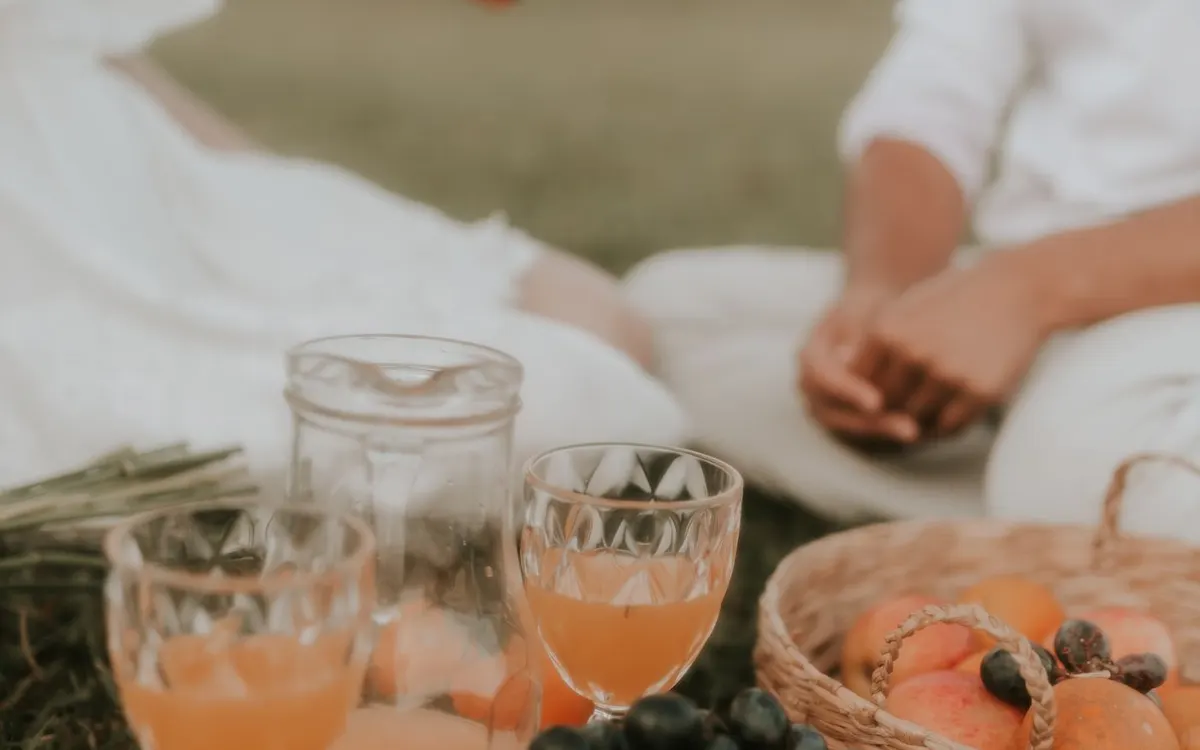
1. Pack a picnic from what is already in your kitchen
Skip the perfect picnic setup. Leftovers, sandwiches and a bottle of water are enough. Pick somewhere you can sit comfortably, including your own garden or a nearby park. Each of you can bring one thing the other likes.
First step: choose the place and one date this week. Track it as: a checklist with food, blanket and weather check. Budget: free to low.
2. Watch a sunrise together
Choose a spot you can reach easily rather than making your first sunrise a mountain expedition. Bring a warm drink and something to sit on. If an early start sounds miserable to either of you, make it a sunset instead.
First step: check the local sunrise time and agree when to leave. Track it as: a one-off checklist. Budget: free to low, plus any transport.

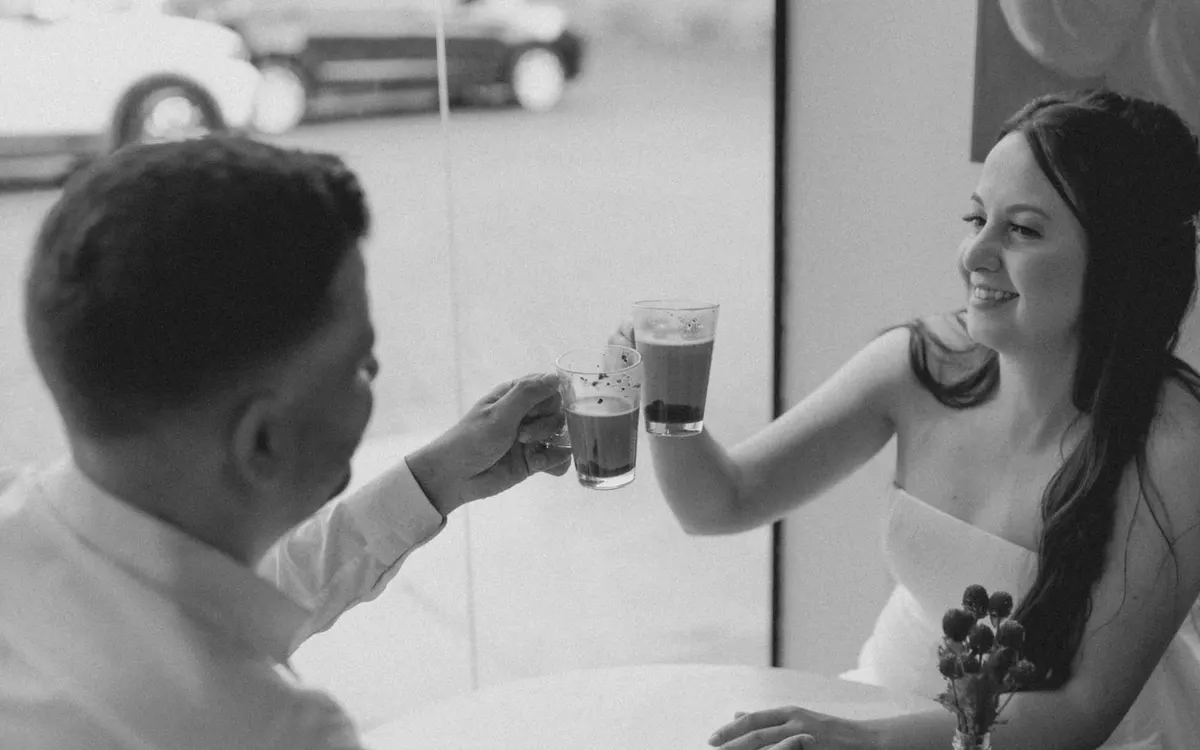
3. Find your favourite local coffee spot
Turn “we should try that place” into a small, shared search. Visit three cafes over a month, or compare three ways of making coffee at home. Give each one a name you will remember rather than trying to score it like a professional reviewer.
First step: each suggest one place within your agreed budget. Track it as: a three-stop checklist. Budget: low; at-home versions can cost less.
4. Take a phone-free walk
Choose a familiar route and put your phones away for part of the walk. Keep a phone accessible for directions or emergencies; the aim is a little attention for each other. Ask something you do not usually get to during the working week.
First step: pick a manageable route and a twenty-minute window. Track it as: a habit if you want to repeat it. Budget: free.

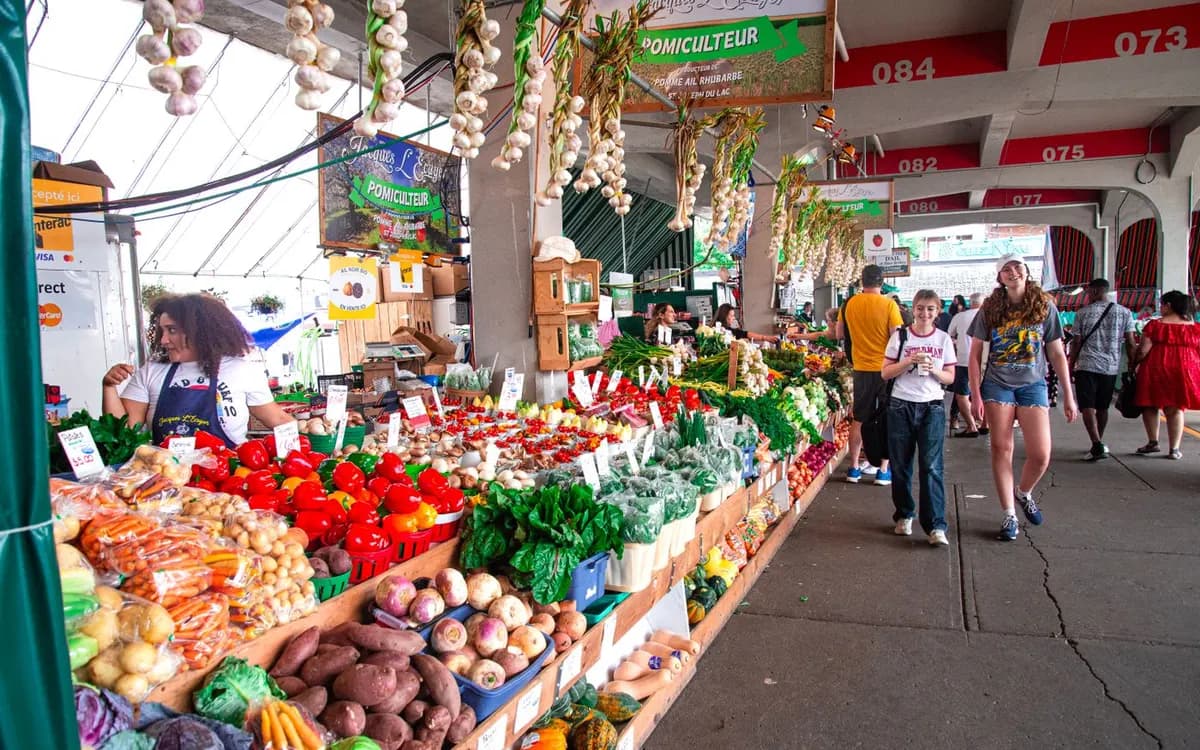
5. Make a meal from a farmers market find
Browse a local market together and choose one seasonal ingredient you do not usually buy. Ask the seller how they like to cook it. The date continues when you get home and work out what to make.
First step: check the market's opening hours and set a spending limit. Track it as: a shopping-and-cooking checklist. Budget: low to moderate.
6. Choose a book for each other
Go to a library, second-hand bookshop or a shop you both enjoy. Each choose a book you think the other would like. It does not need to be serious: a comic, cookbook or short story collection counts.
First step: agree whether you are borrowing or buying, and why you picked the book. Track it as: a two-book checklist. Budget: free with a library, or your chosen spending limit.

7. Visit a museum you normally walk past
Treat your own area like somewhere you are visiting for the first time. Look for a local gallery, museum or small exhibition. Each choose one object or artwork to talk about rather than trying to see everything.
First step: check entry prices, accessibility and any free-entry sessions. Track it as: a one-off experience. Budget: free to moderate.

8. Spend an evening looking at the stars
You do not need a telescope to begin. Pick a safe, accessible place away from the brightest lights, check the weather and take something warm. NASA's skywatching guide can help you find something to look for. The photo is inspiration, not a promise of what your local sky will look like.
First step: agree a clear-weather evening and a safe way home. Track it as: a checklist for the place, layers and forecast. Budget: free to low.

At-home couples bucket list ideas
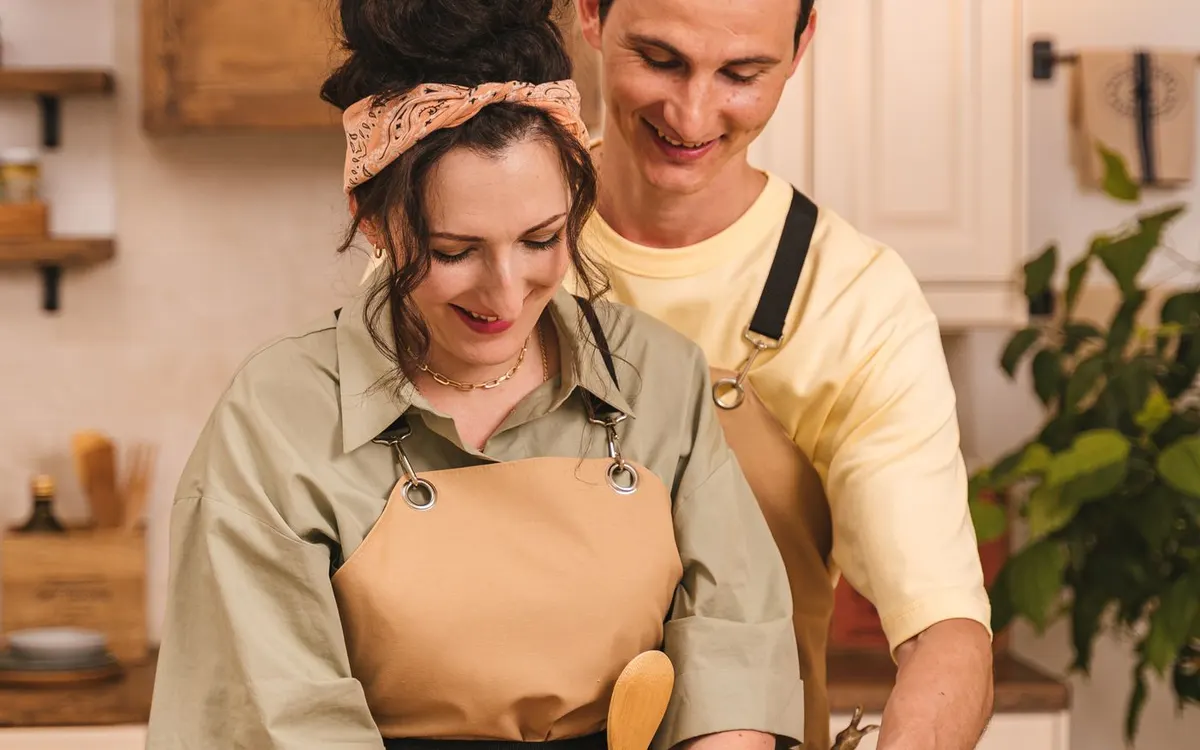
9. Cook a recipe neither of you has made
Pick one dish you would both like to eat. Give each person a part of the preparation, and leave more time than the recipe suggests if you are learning. An imperfect first attempt can still be a good evening.
First step: choose one recipe and check which ingredients you already have. Track it as: a cooking checklist. Budget: low to moderate.
10. Bake something and share the result
Try bread, cookies or a cake you both like. Make the whole process part of the date, including choosing the recipe and cleaning up. If there is more than you want, offer some to a friend or neighbour.
First step: choose a recipe that fits your equipment and dietary needs. Track it as: a one-recipe checklist. Budget: low to moderate.

11. Build a film night around a theme
Choose a theme rather than spending the evening scrolling: a favourite director, childhood films or a country you want to visit. Pick the film before you sit down. Add a snack or meal if you feel like it.
First step: each suggest two films, then choose one available to you. Track it as: a watchlist. Budget: free with existing access, or the rental price.

12. Learn a new board or card game
Borrow a game, use a deck you own, or try a cooperative game where you work together. Keep the first session about learning. Agree that being confused by the rules is allowed.
First step: choose something with a playing time you both want. Track it as: a short list of games to try. Budget: free to moderate.

13. Finish a puzzle over a few evenings
Choose a puzzle you can leave out without getting in the way. A small one is fine. Put on music, work on separate sections and stop whenever it stops being enjoyable.
First step: pick the puzzle and a space for it. Track it as: a checklist, or time spent together if you prefer. Budget: free if borrowed, otherwise low to moderate.

14. Grow one plant you can use in the kitchen
Start with a herb suited to your light and climate rather than buying an entire garden. Choose a plant you will actually cook with. A windowsill pot is enough room for a shared growing project.
First step: check the plant's care needs and choose a suitable spot. Track it as: a care habit with an agreed owner for each task. Budget: low.

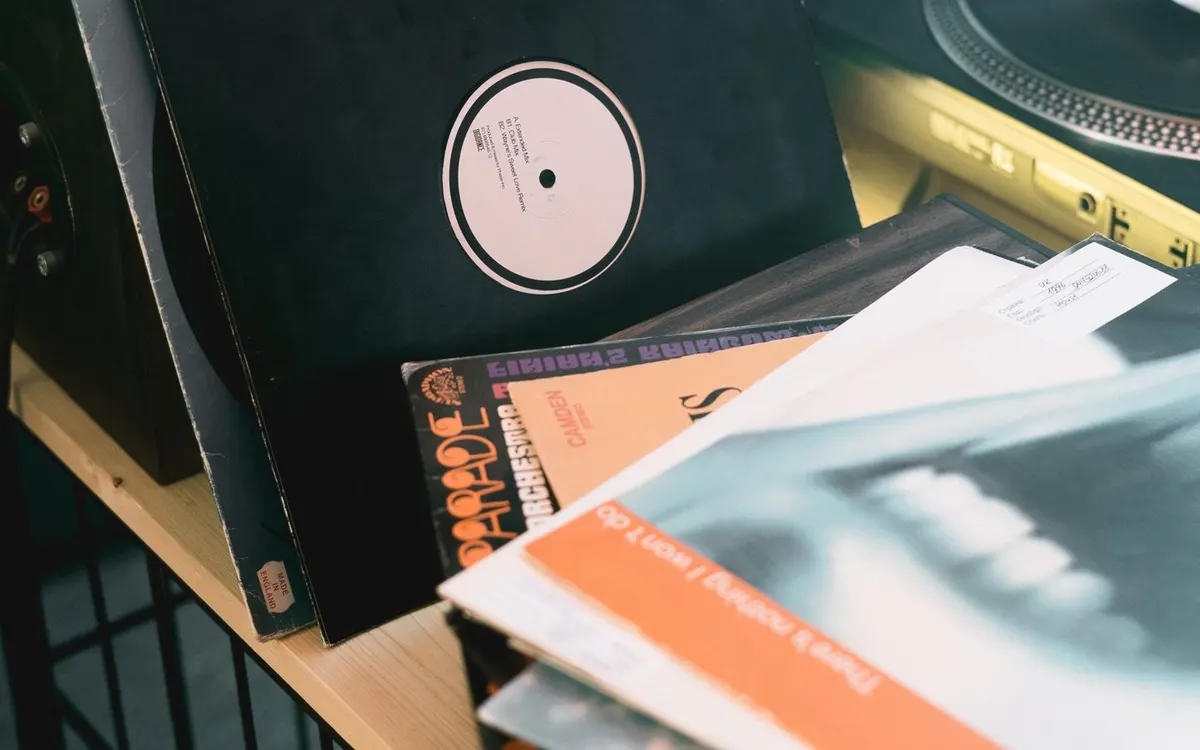
15. Make a playlist that tells your story
Add songs from your first dates, trips, ordinary evenings and separate childhoods. Take turns choosing tracks and explaining why they belong. Save the list somewhere both of you can find it again.
First step: each choose five songs. Track it as: a shared checklist of tracks, with a link to the finished playlist. Budget: free with music you can already access.
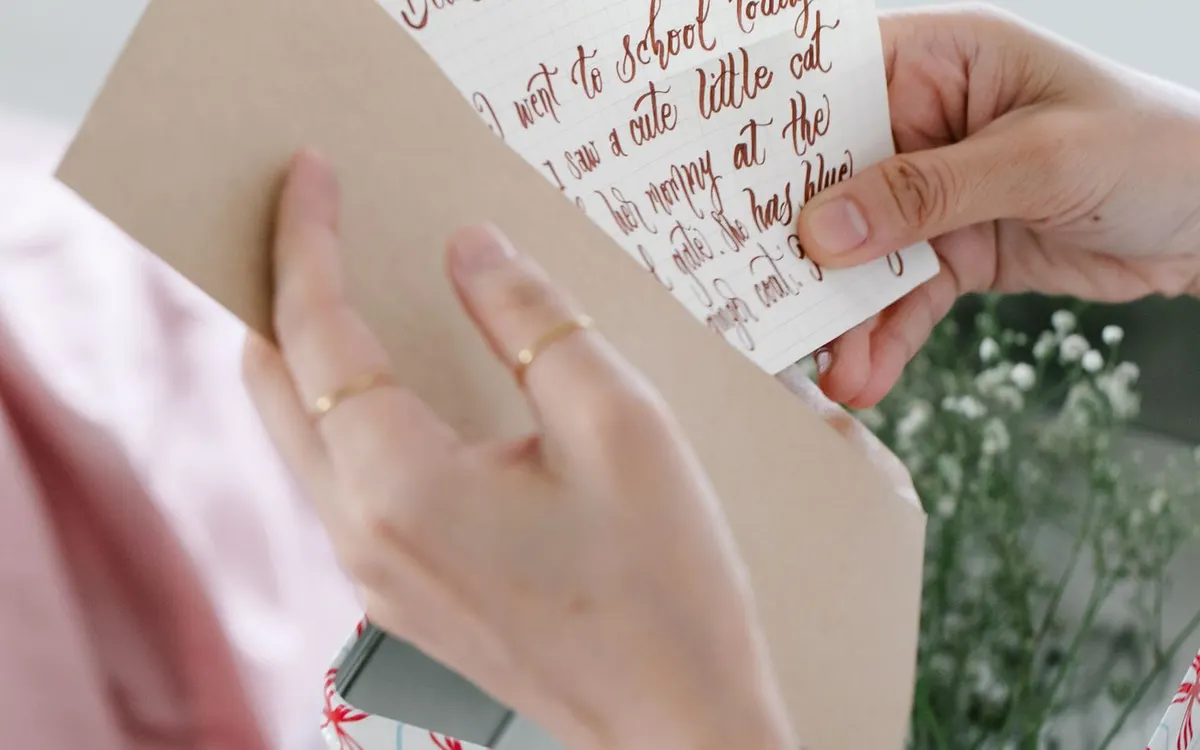
16. Write letters to your future selves
If you want to send something personal while you are apart, try our long-distance care package guide, with local snacks, familiar clothing and personal keepsakes.
Write about what your life looks like now, what you appreciate and something you hope to do together. Choose a date to open the letters. You can use envelopes; there is no need to make the moment complicated.
First step: choose the opening date and set aside half an hour. Track it as: a checklist with the opening date noted. Budget: free to low.
Creative bucket list ideas for couples
17. Paint something without trying to make it good
Choose the same subject and paint your own versions, or work on opposite sides of one sheet. Use inexpensive materials you already have if possible. The result can be something you keep because it reminds you of the evening.
First step: choose a subject and protect the table. Track it as: a one-session checklist. Budget: low to moderate.

18. Try a pottery workshop
Look for a beginner session where materials and firing are explained in advance. Decide whether you want a short taster or a course. You do not both need to become pottery people; trying it once is a complete goal.
First step: compare the total price, session length and collection arrangements. Track it as: a booking checklist; add a savings goal if needed. Budget: moderate to higher.

19. Learn one dance together
Choose a style you both feel comfortable trying. Follow a beginner lesson at home or book a local class. Start with one short routine and allow yourselves to get the steps wrong.
First step: choose a lesson and clear enough space. Track it as: a practice habit, or time spent learning. Budget: free to moderate.

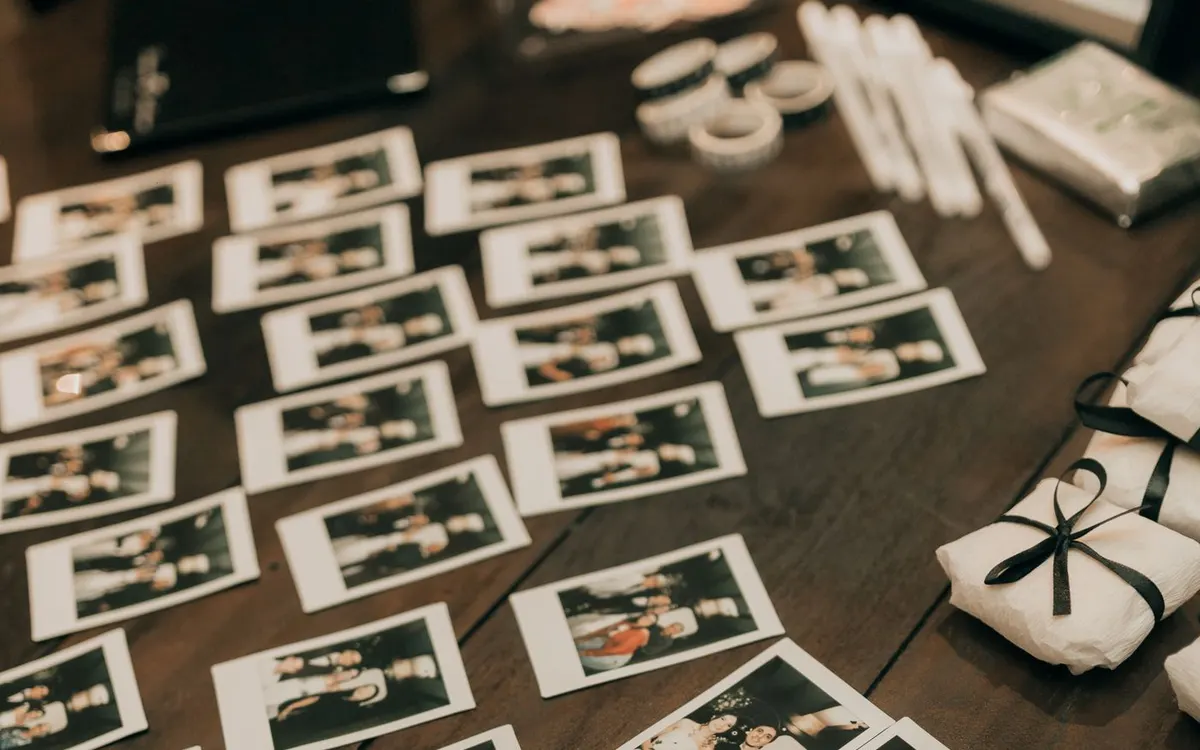
20. Make a small photo book or scrapbook
Choose ten photos from one trip, season or year. Add a sentence about each: what happened before the photo, why you laughed, or something you would otherwise forget. Ten finished pages can be more satisfying than hundreds of unsorted pictures.
First step: each choose five photos. Track it as: a selection, captions and printing checklist. Budget: free digitally, or the printing and materials cost.
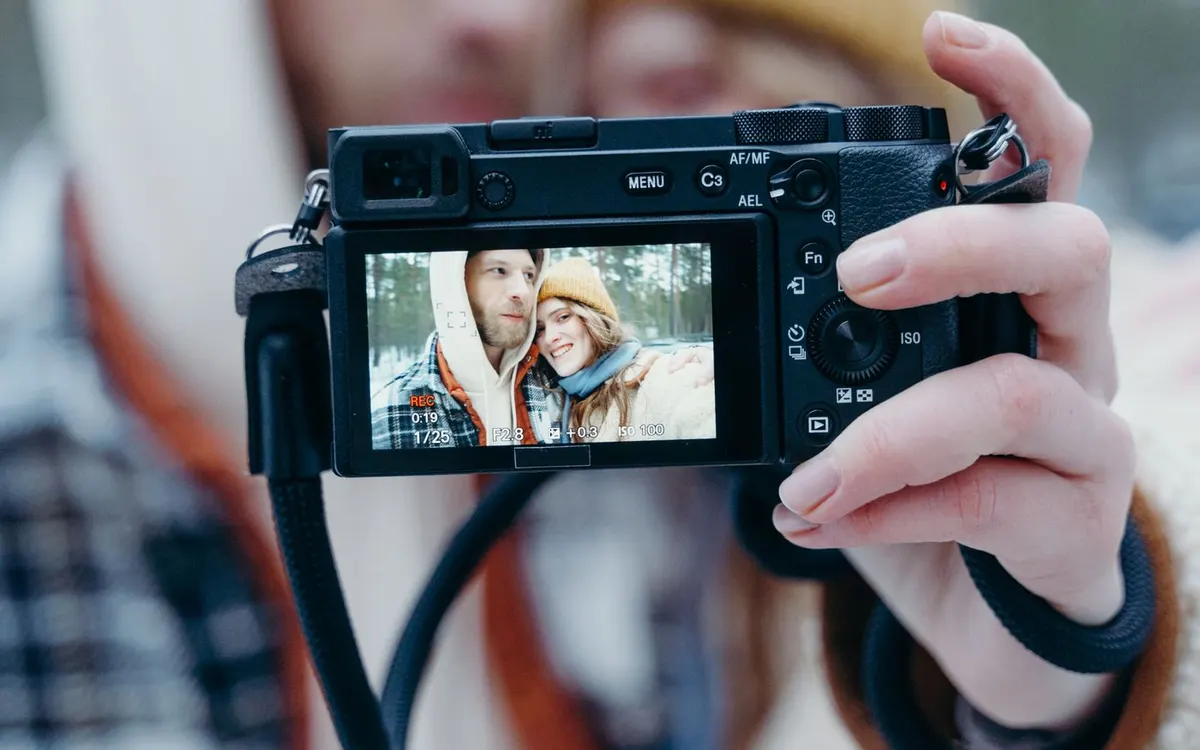
21. Go on a photo walk
Use your phones or a camera you own. Choose a small theme, such as interesting doors, reflections or a colour. At the end, each share three favourites and why you noticed them.
First step: pick a route and a theme. Track it as: a one-off checklist or a repeatable creative habit. Budget: free with existing equipment.
22. Learn to make your favourite breakfast
Try the breakfast you always order out, or share a dish from one person's childhood. Divide the preparation so one person does not spend the whole date serving the other. Sit down together while it is still warm.
First step: choose the dish and buy only the ingredients you need. Track it as: a recipe checklist. Budget: low to moderate.

23. Start a two-person book club
Choose a short book, essay collection or a few chapters that interest both of you. Agree a small amount to read, then talk about one thing you enjoyed and one thing you disagreed with. An audiobook is an option too.
First step: choose the reading and a first conversation date. Track it as: a reading checklist or habit. Budget: free with a library, or the book price.

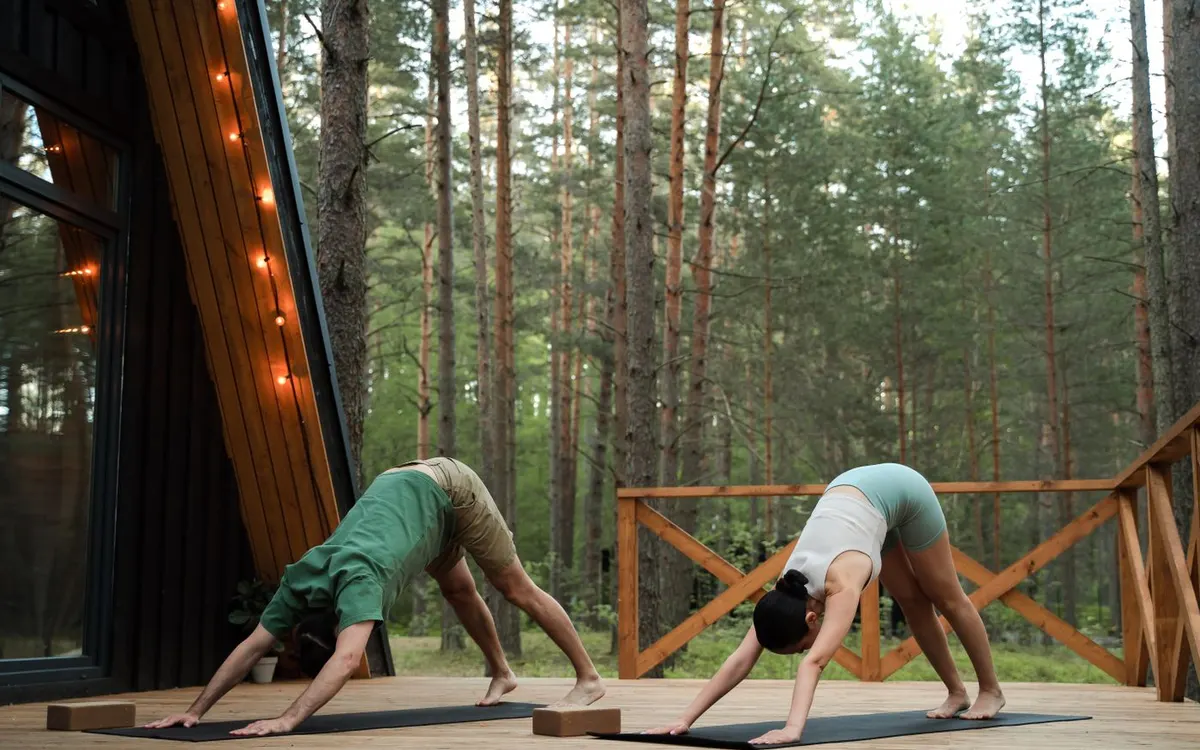
24. Try a gentle movement session together
Choose an activity that suits both of you: stretching, a beginner class or an easy walk. Avoid making it a competition about ability. Either person can change the activity or stop if it is uncomfortable.
First step: agree a short session and the kind of activity. Track it as: a shared habit with a realistic frequency. Budget: free to moderate.
Outdoor and travel bucket list ideas
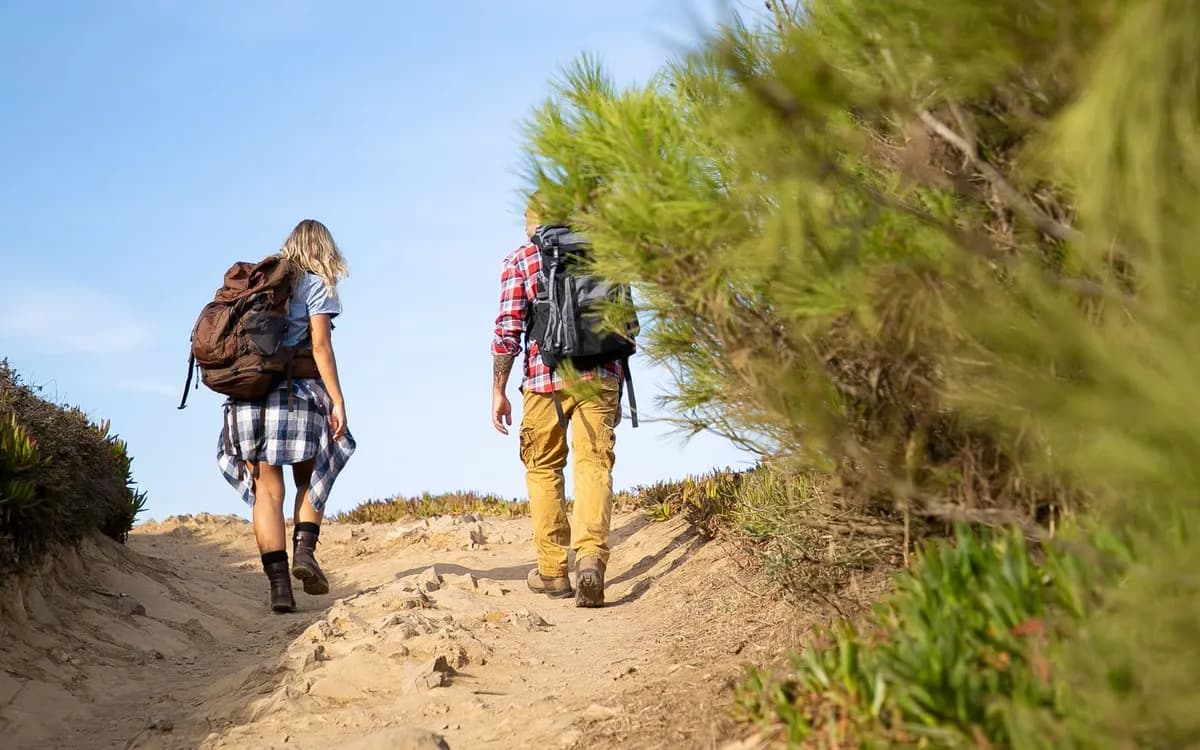
25. Walk a trail that is new to both of you
Choose a route that matches your experience, mobility and available daylight. Check the distance and terrain instead of choosing only from photographs. A short local trail counts just as much as a famous hike.
First step: look up the route and current conditions, and agree what to bring. Track it as: a route-and-packing checklist. Budget: free to moderate, depending on travel and entry.
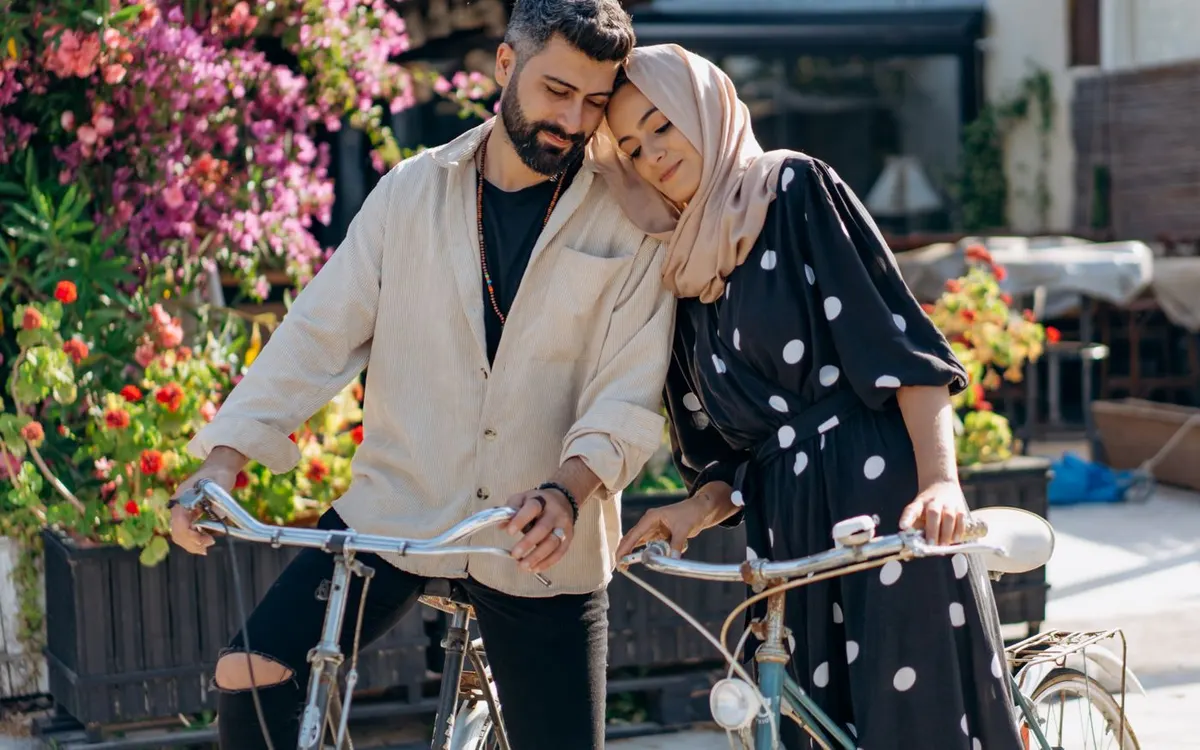
26. Take a relaxed bike ride with a stop along the way
Choose a route you both feel confident riding. Give the outing a destination, such as a park or cafe, and let the slower person's pace set the rhythm. Rent bikes if that makes more sense than buying them.
First step: check the route, bikes and appropriate safety equipment. Track it as: a one-off experience or riding habit. Budget: free with existing equipment, otherwise rental and transport costs.
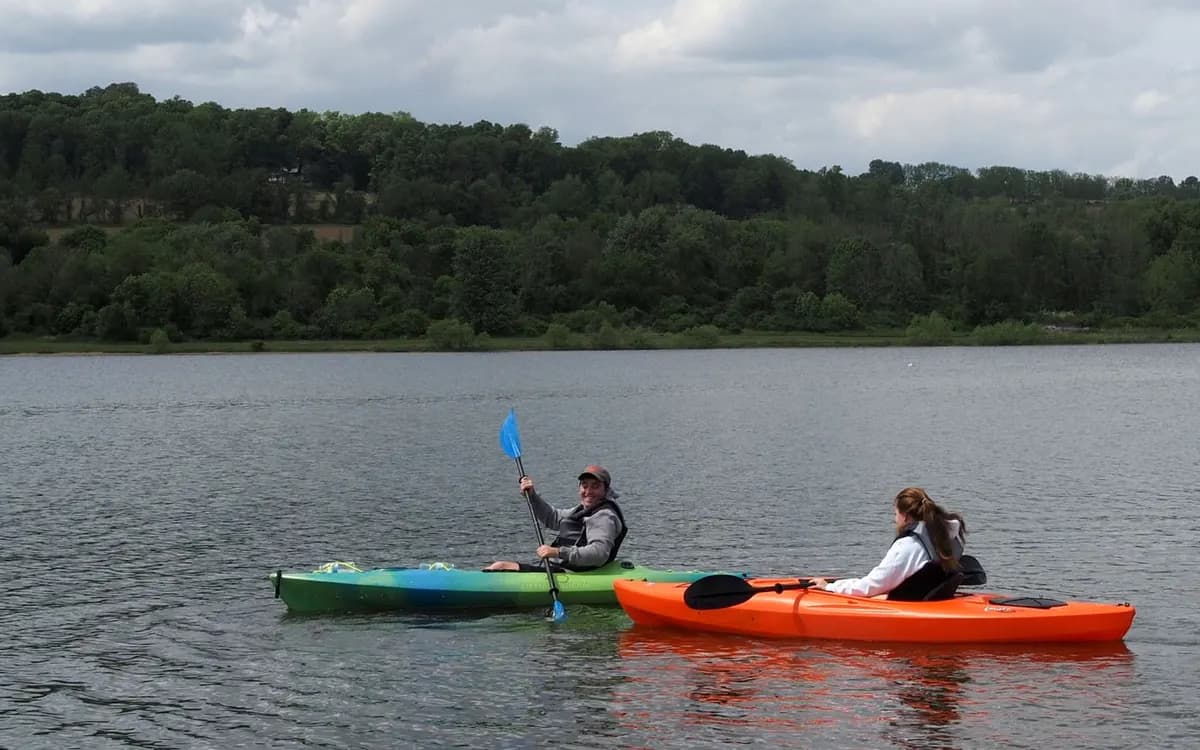
27. Try kayaking with a suitable instructor or operator
For a first outing, choose beginner-friendly conditions and an operator that explains equipment and safety. Decide together whether a tandem or separate boats sound more enjoyable. This can be a short lesson rather than a full-day expedition.
First step: check the operator's requirements, total cost and cancellation policy. Track it as: a booking-and-equipment checklist. Budget: moderate to higher.
28. Visit a waterfall or another nearby natural landmark
Find a place you can reach safely and legally, whether that is a waterfall, a lake or a scenic viewpoint. You do not need to recreate the photograph. Stay on permitted routes and respect local access restrictions.
First step: check current access, weather and the walk from the parking or transit stop. Track it as: a visit checklist. Budget: free to moderate.

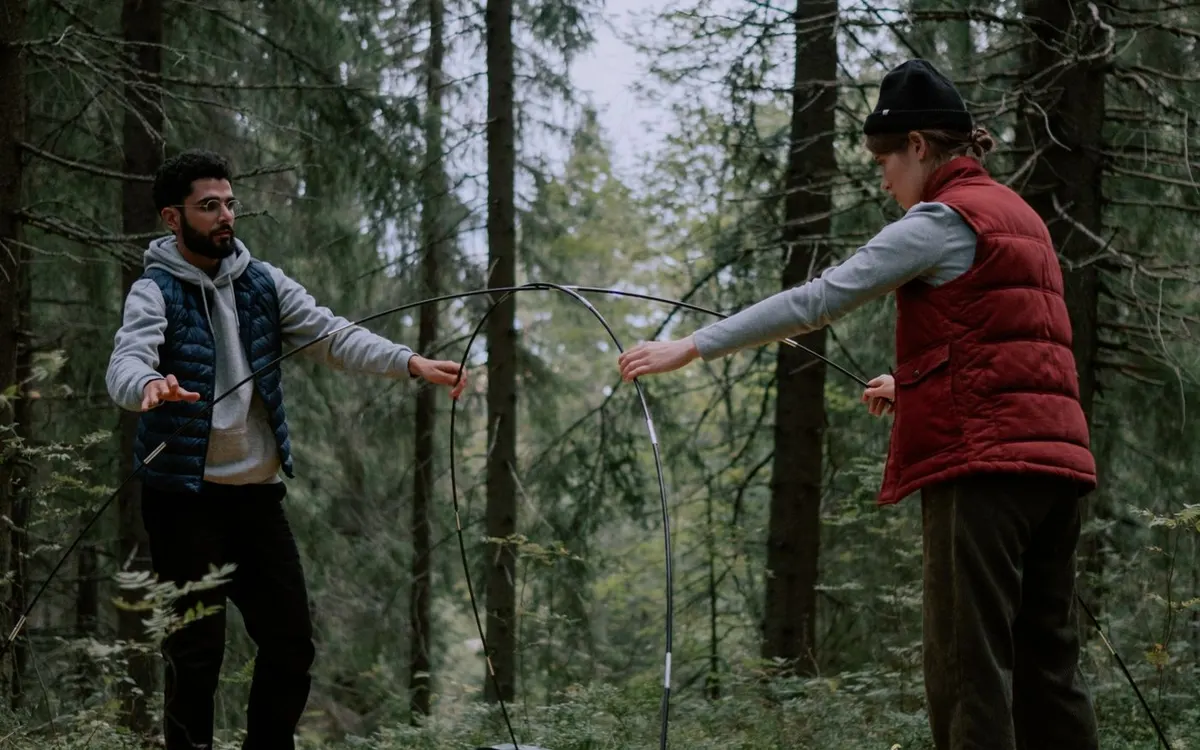
29. Spend a night camping
Begin with a suitable campsite rather than a difficult wilderness trip. Borrow equipment if possible and practise putting up the tent before you leave. If tents are not for you, a cabin can be your version of the idea.
First step: check site facilities, booking rules, weather and the gear you have. Track it as: a camping checklist with a separate budget. Budget: low to higher, depending on equipment and location.
30. Take a train somewhere you have not been
Choose a reachable destination with enough time to explore before returning. The journey can be part of the outing: a window seat, something to read and no need for one of you to drive.
First step: check fares, accessibility and the last return service. Track it as: a travel checklist. Budget: low to higher, depending on distance and tickets.

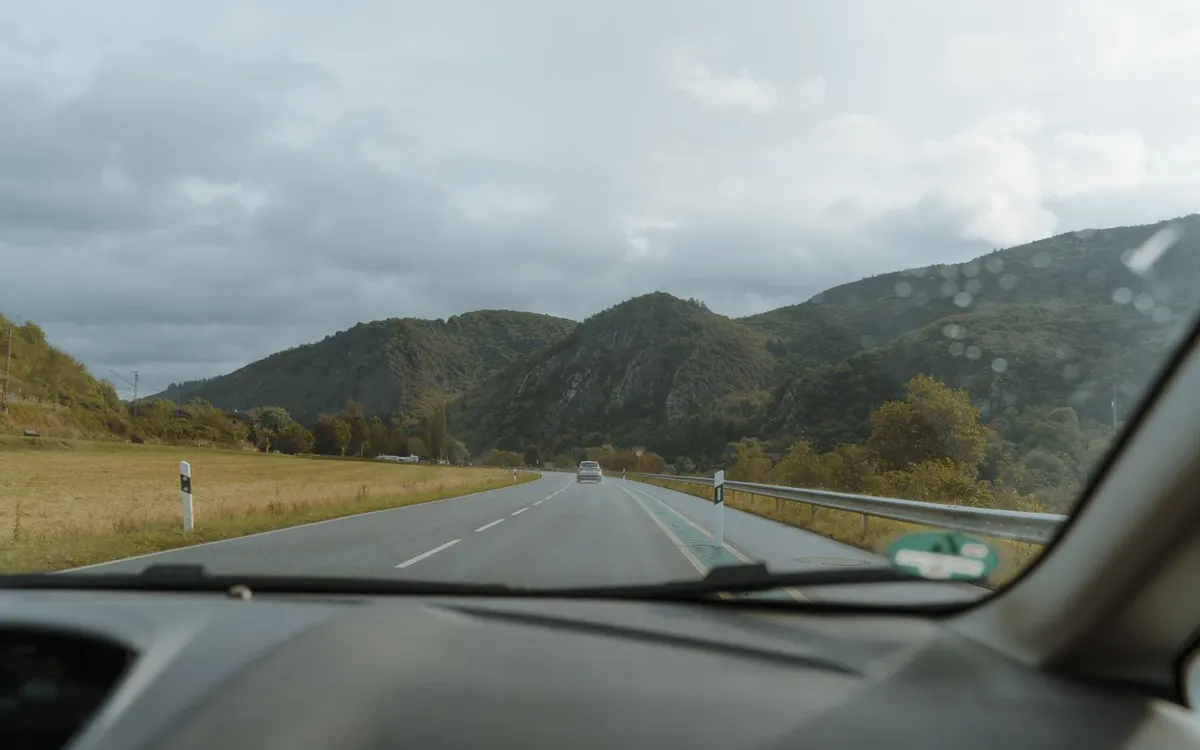
31. Plan a small road trip
Start with one destination and a sensible driving day. Choose a stop each, then leave some room to change the plan. Take turns with preparation and driving where appropriate, so the trip does not become one person's job.
First step: estimate fuel, stops and accommodation, if needed. Track it as: a trip checklist and an amount goal. Budget: moderate to higher.
32. Spend an unhurried day by the water
Choose a beach, lake or riverside place you both enjoy. Bring something to eat and let the plan stay simple. Being near water does not mean you have to swim or take part in a sport.
First step: check local conditions, access and transport. Track it as: a one-day checklist. Budget: free to moderate.

Meaningful moments and future plans
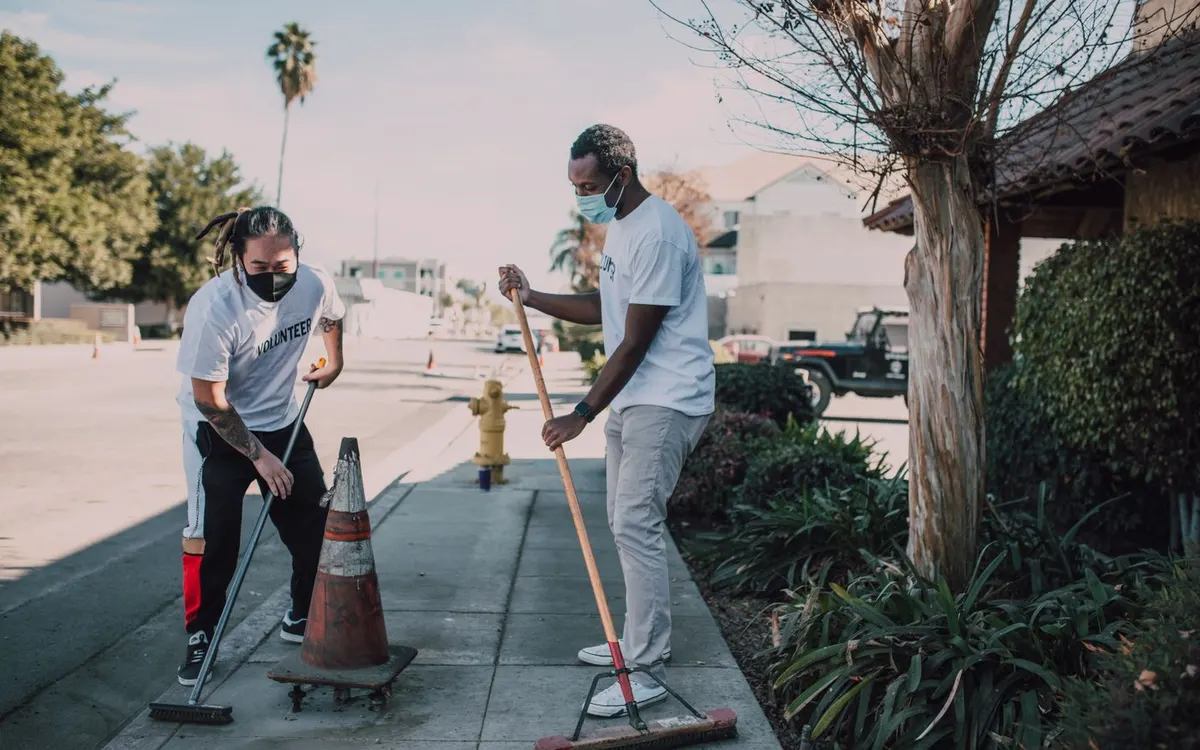
33. Volunteer for a cause you both care about
Ask a local organisation what help it actually needs. A community clean-up, food collection or a practical event may suit your time and skills. Choose a commitment you can keep rather than promising more than you can manage.
First step: contact the organiser and confirm the role and requirements. Track it as: a one-off checklist or a recurring habit. Budget: usually low, though transport and other costs can apply.
34. See live music together
A small local show can belong on your list alongside a favourite band's concert. Set a total budget before looking at tickets, including fees and the journey home. Choose a setting both of you will enjoy.
First step: each suggest one event and check the full cost. Track it as: a booking checklist or savings goal. Budget: free at some events, otherwise low to higher.

35. Create one tradition for a new season
Choose something that fits where you live: an autumn walk, the first picnic of spring, a rainy-day baking afternoon or a summer evening outdoors. Make it your own rather than borrowing a tradition that does not suit your weather or culture.
First step: name the tradition and choose a rough time to do it. Track it as: a seasonal checklist or habit. Budget: free to low.
36. Cook the same meal from different kitchens
For long-distance couples, choose a recipe with ingredients available to both of you. Start a call while you prepare it, then sit down to eat together. If your time zones clash, share photos and compare the results later.
First step: agree the recipe, time and shopping list. Track it as: a shared cooking checklist. Budget: the ingredients plus any connectivity costs.

37. Plan a video date with something to do
Give the call one small activity: a quiz you write for each other, a drawing challenge or sharing three favourite photos from the week. Keep the activity short enough that you also have time just to talk.
For an adult conversation about desire and intimacy, try our 30 spicy questions for long-distance couples. Choose questions you both want to discuss and skip anything that feels too personal.
First step: choose the activity and confirm a time that works for both people. Track it as: a date checklist or a recurring connection habit. Budget: free with existing devices and access.

38. Plan your next visit together
For couples living apart, make the visit a plan you can both help with. Agree a realistic window, what each person can afford and who will research what. Keep some time unscheduled instead of turning every hour into an itinerary.
First step: write down possible dates and the main travel costs. Track it as: a travel checklist, plus a savings goal if useful. Budget: depends on distance and arrangements.
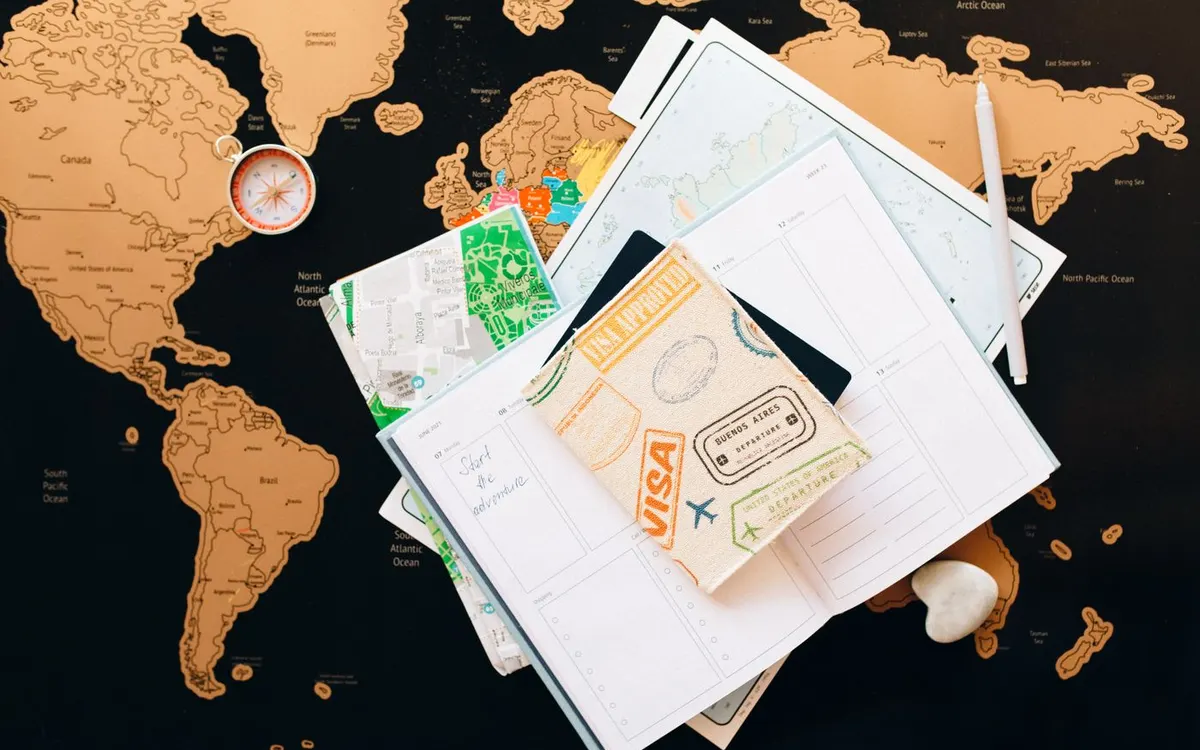
39. Start a fund for a shared adventure
Choose a trip or experience you both want, estimate its cost and decide what each person can comfortably contribute. Contributions do not have to be equal. Keep the money in a place you have agreed on; a tracking app records progress, it does not hold the fund for you.
First step: choose the experience, target amount and a realistic date. Track it as: an amount goal. Budget: your own estimate and agreed contributions.
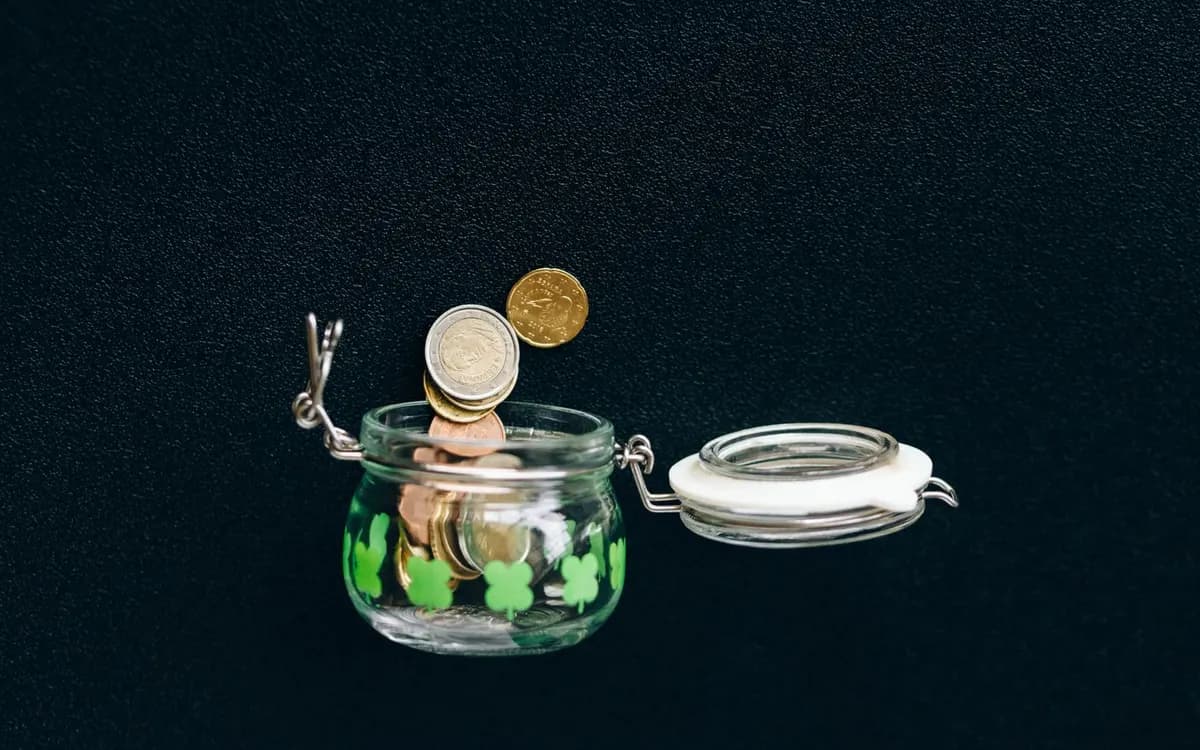
40. Start an anniversary tradition you want to repeat
Revisit a favourite place, take a photo in the same spot, make a familiar meal or write each other a note about the year. Choose something you would still like to do when money or time is tight.
First step: each suggest one tradition and choose together. Track it as: a yearly checklist with a note about what you did. Budget: free to higher; you set it.

How to turn your bucket list into a shared plan
The difference between an idea and a plan is usually a few ordinary details: what you are doing, when, what it costs and who will take the next step. Try this process before adding another twenty ideas.
- Choose three ideas together. Pick one for this week, one for the next few months and one bigger dream. Either person can say no or suggest a version they would enjoy more.
- Define what finished looks like. “Travel more” is hard to act on. “Take one weekend train trip by the end of next month” is a plan you can organise.
- Choose a way to track it. Use a checklist for an experience, an amount goal for saving, a habit for repetition or a time goal for practice measured in hours. Not every activity needs a tracker.
- Agree the next action. One person might check ticket prices while the other finds suitable dates. Each update your own part so neither becomes the permanent reminder system.
- Review it briefly. Ask what is still exciting, what changed and whether the plan needs to get smaller. You can change or remove an idea without treating it as a failure.
For a fuller planning system, read how to track shared goals as a couple. The Gottman Institute's discussion of shared goals offers another starting point for talking about the hopes behind your list. Completing a checklist is not a measure of how good your relationship is.
Your three-idea starter template
Copy these columns into a shared note and fill them in together. Keep the first version small enough that you can make progress this week.
| Our idea | When | Our next step | How we will track it |
|---|---|---|---|
| Picnic in the local park | This weekend, weather permitting | Choose the time and pack food we already have | One checklist |
| Learn one dance routine | Over the next four weeks | Choose a beginner lesson | Two short practice sessions a week |
| A weekend train trip | A date we can both take off | Check tickets and accommodation, then set a target | Booking checklist and trip fund |
For example, if you choose a $300 trip fund over three months, you need $100 a month combined. If equal contributions work for you, that is $50 each per month. This is an illustration, not an estimate of the actual trip cost; use your own currency and budget.
Where DreamDuo fits
DreamDuo gives your shared plans a place both of you can open and update. You can make a checklist goal for the bucket list, an amount goal for the trip fund, a habit goal for something you want to repeat, or a time goal for hours spent learning together.
You can also keep relevant photos, links and files with a goal. That means the inspiration for the trip can live next to the plan, rather than getting buried in a chat.
Start with one goal. For example, create a shared checklist called “Three things we want to do together” and add the ideas you both picked. Use the download buttons below if you would like to try it on iOS or Android. DreamDuo is free to start; optional Pro features are available.
If a notebook or shared note already works for you, keep using it. If you want to compare app categories first, see our couples app comparison guide.
Couples bucket list questions
What should be on a couples bucket list?
Include experiences you both want: everyday dates, new skills, traditions, trips and a few bigger dreams. A useful starting list has one affordable idea you can do soon, one activity that takes a little planning and one longer-term goal. Leave out anything one person feels pressured to do.
What are good free bucket list ideas for couples?
Try a phone-free walk, a picnic with food you already have, borrowing books for each other, making a playlist or writing letters to open later. Check for free local events and museum sessions. Travel, supplies and internet access can still add costs.
How do you make a couples bucket list together?
Each suggest a few ideas, choose three you both like, and give each one a next step. Add a date or budget only where it helps. Keep the list somewhere both can access, and review it when your time, interests or finances change.
What can long-distance couples put on their bucket list?
Cook the same recipe on a call, read a book together, exchange letters, make a shared playlist or plan your next visit. Mix activities you can enjoy while apart with something to look forward to in person. Pick times and costs that work for both people.
Do we need a couples bucket list app?
No. A shared note, notebook or spreadsheet can work. An app may help when you want both partners to update checklists, record savings progress or build a repeated habit in one place. Choose the tool you will both use.
What if we want different things on the list?
Start with the ideas you share, then look for smaller versions of the others that both people would enjoy. You can also keep individual goals alongside shared ones. A bucket list should leave room for different interests, rather than requiring every activity to be done as a pair.
How often should we update our couples bucket list?
Try a brief monthly or seasonal review, and change the rhythm if it feels unnecessary. Check what you still want to do, remove ideas that no longer fit and choose one next action. The aim is to enjoy your plans, not maintain a perfect list.
Pick your first three
Choose something easy, something new and something you want to look forward to. Agree who will take the next step, then leave the rest of the list for another day.
The picnic you actually have is a better starting point than the perfect trip you never plan.
Keep reading
25 Best Items to Put in a Long-Distance Care Package
Find 25 long-distance care package ideas, from local snacks and a scarf with your scent to cosy clothing, keepsakes and gifts your partner will love.
Read the story30 Spicy Questions to Ask Your Long-Distance Partner
Explore 30 spicy questions for long-distance couples, from flirting and fantasies to intimacy and honest conversations about desires and boundaries.
Read the storyThe 5 Best Couples Apps in 2026, Compared Honestly
Compare DreamDuo, Paired, Honeydue, Lasting and Between by features, pricing and use case. Find the couples app that fits what you want to do together.
Read the story